

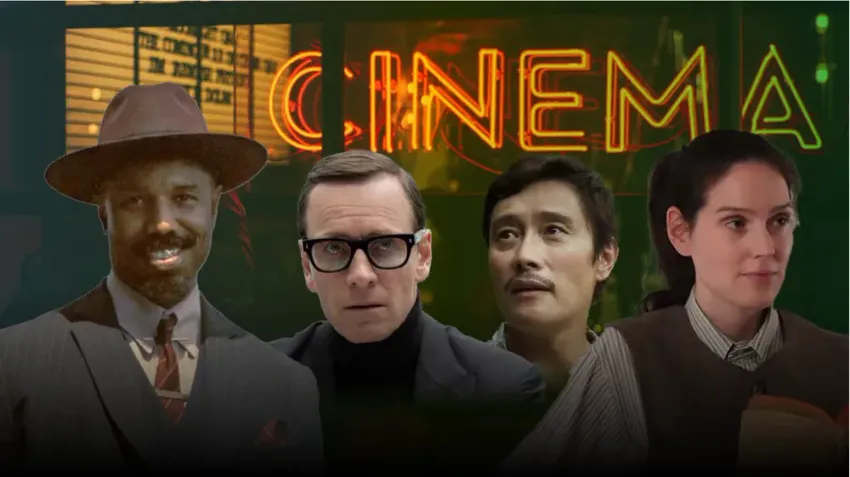
When 2025 is looked back on, it’s likely it will be thought of as the year of Warner Bros. Not just because it released some of the year’s biggest IP hits (Minecraft, Superman) but also because it took on significant risk with several original properties, most of which panned out spectacularly (One Battle After Another, Sinners, Weapons). Only a precious few did not (The Alto Knights, Mickey 17).
But I imagine it won’t be those films — all director-driven, all seemingly made with the type of creative control that major studios rarely grant anymore — that will be the year’s front-page headline. Instead, it will be the potential sale of Warner to Netflix. Or could it be sold to Paramount, its hostile takeover bid augmented by money from Saudi Arabia and presented with a decided emphasis on billionaire David Ellison’s connections to Donald Trump? Neither option would be great, in my opinion, though the former would be the lesser of two unappealing evils. Either way, this could be the last hurrah for one of Hollywood’s founding studios, which would be a massive shame.
The other big theme of this past year involved issues relating to social, political, racial, and economic inequality, and not only in phenomenal documentaries like The Alabama Solution or WTO/99. Several notable independent productions and non-English imports got in on the action, including No Other Choice, 40 Acres, Nuremberg, The Ugly Stepsister, Death of a Unicorn, Cloud, and The Plague.
However, it was the big-budget releases that subtly (and, in some notable cases, not so subtly) explored these concepts — mixing in warnings regarding fascist takeovers of democratic institutions for good measure — that hit me the hardest. Films like One Battle After Another, Superman, Sinners, The Long Walk, 28 Years Later, Wake Up Dead Man, The Housemaid, Avatar: Fire and Ash, and even Zootopia 2 were just a few that got in on the action in one way or another, each wearing their “woke” patch as a badge of honor.
There were also the adrenaline-filled surprise sensations of all shapes and sizes, including genre hits Predator: Badlands, Companion, The Accountant 2, and Heart Eyes, while indie wonders like Eephus, If I Had Legs I’d Kick You, Dangerous Animals, Materialists, Clown in a Cornfield, and Sorry, Baby made strong inroads with audiences and critics alike.
Other films I enjoyed, like the viciously unsettling Die My Love, the fabulously claustrophobic WWII shark survival tale Beast of War, and the based-on-a-true-story Channing Tatum dramedy Roofman, sadly came and went all too quickly. Here’s hoping they find their audience once they’re available for home consumption.
Then you have the strange case of KPop Demon Hunters. The year’s most widely talked-about animated feature was sold by parent studio Sony to Netflix, because studio heads believed releasing it to theaters was a waste of time and money. All that happened next was that the film took over the world, becoming the streamer’s biggest viral sensation since the first season of Stranger Things back in 2016. After sold-out singalong screenings, a best-selling soundtrack, and becoming the Oscar frontrunner in two categories (Animated Feature and Best Original Song), it’s clear that Sony would probably walk that decision back if it could. Talk about your billion-dollar-plus mistakes.
As far as LGBTQIA+ representation was concerned, it was a mixed bag. Plenty of Queer-themed and Queer-coded features received a theatrical release, but many had those elements downplayed or minimized, especially if they were bigger-budgeted productions like Companion, Wicked: For Good, The Long Walk, or Mickey 17.
Still, films like Peter Hujar’s Day, Queens of the Dead, The Wedding Banquet, Kiss of the Spiderwoman, Downton Abbey: The Grand Finale, Honey Don’t!, My Dead Friend Zoe, Clown in a Cornfield, Red Sonja, 100 Nights of Hero, After the Hunt, and Blue Moon were thankfully loud and proud as far as their Queer elements were concerned, while documentaries like Heightened Scrutiny and Come See Me in the Good Light rank up there with some of the best 2025 had to offer.
One major personal disappointment? No studio has stepped up to release film festival darling She’s the He. Considering how uproariously hilarious this Trans-centered comedy is, that’s a depressing shame. However, given its high school setting, ribald content, and the current political climate, it’s also not altogether shocking. Still, the moment that writer-director Siobhan McCarthy’s Transgender Superbad variant becomes available for viewers everywhere, I’ll be front and center, singing its hysterical praises.
That wasn’t the only thing about 2025 that left me underwhelmed, but we’ll leave discussions about the year’s more frustrating misfires for another day. It’s time to celebrate the positive. The following are my personal picks for the ten best motion pictures of 2025, coupled with several other titles I’d love for people to see. Without further ado:
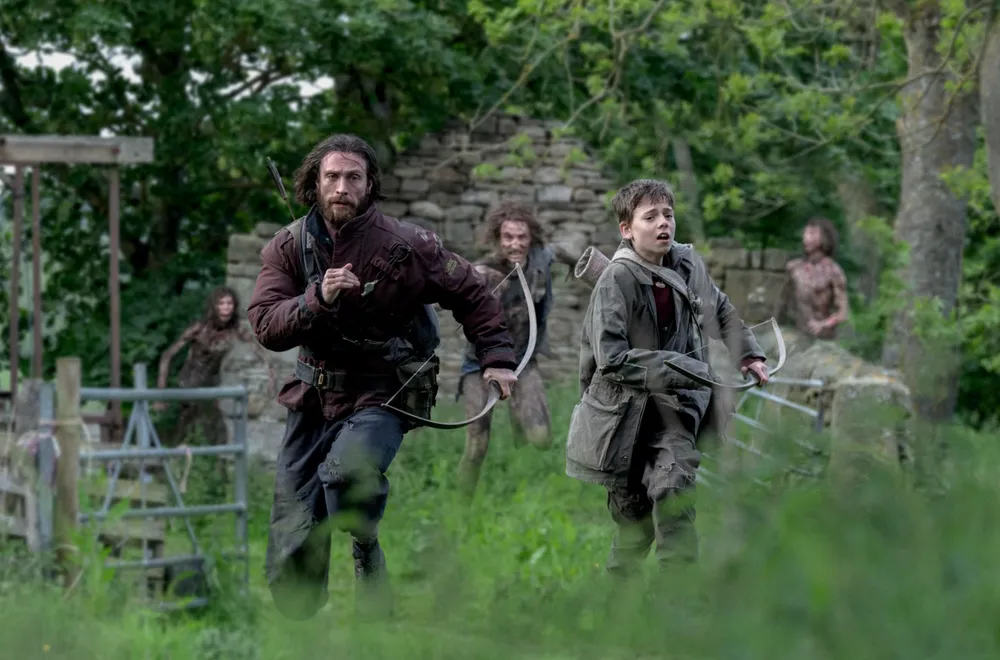
10: 28 Years Later (Dir.: Danny Boyle)
Director Danny Boyle and writer Alex Garland return to the apocalyptic wasteland they created in 2002 with 28 Days Later, unveiling an evocative coming-of-age masterwork that left me shellshocked. It’s about new life in a dying world, with youngster Alfie Williams delivering a stratospheric performance of resilience, determination, heartbreak, and restraint that delicately refines itself as his character’s understanding of life’s tumultuous highs and lows expands. It’s as if Boyle and Garland are channeling the working-class British grit of Ken Loach or Mike Leigh, only adding a dash of George A. Romero for good measure. Unforgettable.
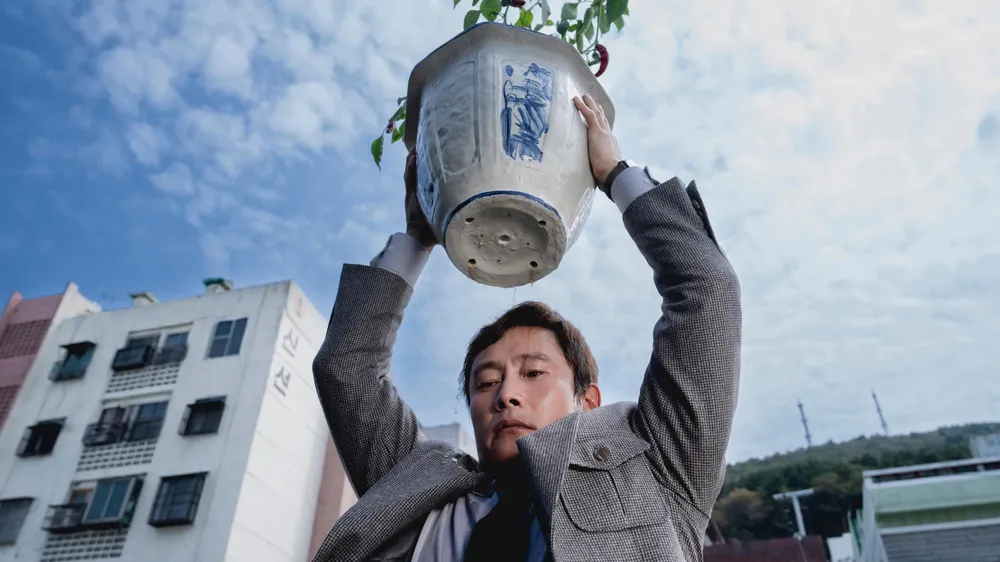
9. No Other Choice (Dir.: Park Chan-wook)
South Korean dynamo Park Chan-wook returns with another unhinged slice of pointed social commentary with this insidiously hilarious and uncomfortably delightful death trap of familial happiness and workplace harmony that’s as purposefully unsubtle as it is intelligently insightful. Lee Byung-hun is fantastic as a recently unemployed family man who will do anything — including homicide — to ensure he gets a new job. This takedown of capitalistic excess and corporate largess is a bonkers delight, as Chan-wook slyly builds his latest to a conclusion that left me happily speechless.
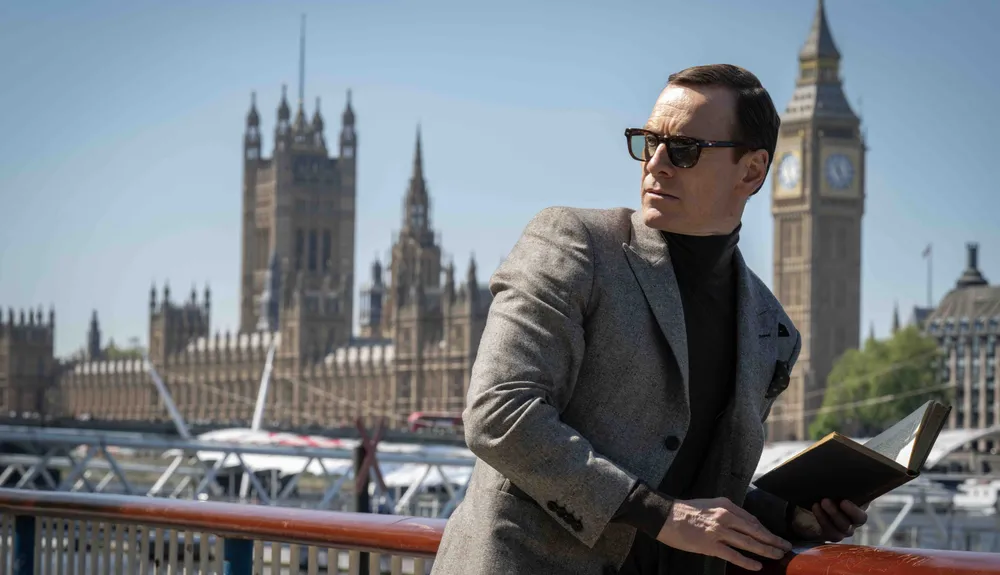
8. Black Bag (Dir.: Steven Soderbergh)
This is one of two terrific crowd-pleasers from director Steven Soderbergh and writer David Koepp (the other being the spookily refined creepshow Presence) that, for whatever reason, were box office disappointments and didn’t fully connect with audiences until they were available to watch at home. Be that as it may, Black Bag remains a spy-vs.-spy corker, with Michael Fassbender and Cate Blanchett as a pair of married British secret agents who are placed at odds when it becomes clear there is a mole buried within their department at MI6. This is a cagey, well-plotted case of international espionage and marital devotion that delivers the explosive goods. All of them. One shot at a time. Bravo.
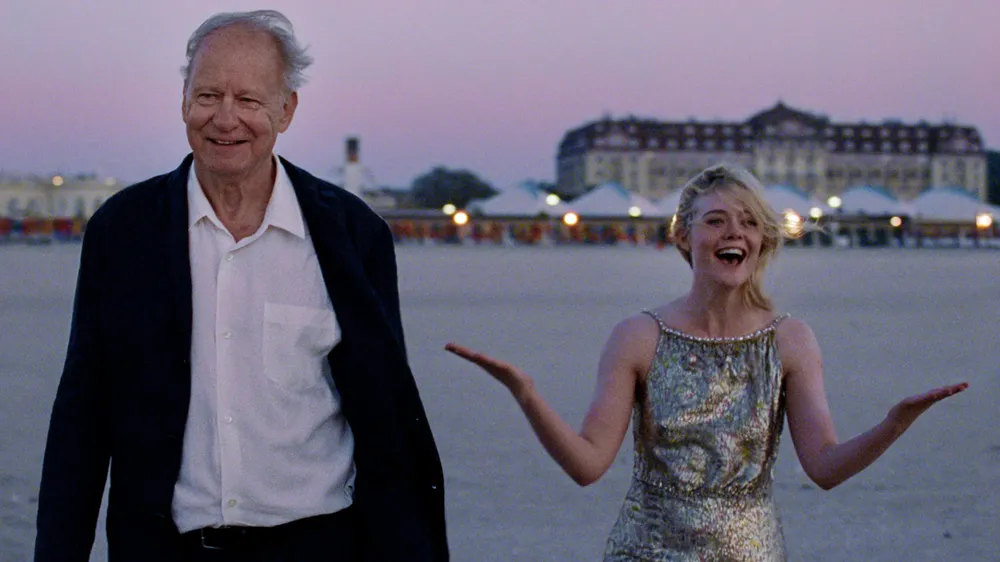
7. Sentimental Value (Dir.: Joachim Trier)
Joachim Trier (The Worst Person in the World, Thelma) comes calling with his best film yet, a first-rate kitchen-sink melodrama of family angst, sisterhood, and forgiveness. This is the story of two sisters, their estranged filmmaker father, and the Hollywood superstar (Elle Fanning) who’s been cast to portray a character unambiguously inspired by the memory of a woman who met with heartbreaking tragedy. Renate Reinsve and Inga Ibsdotter Lilleaas are extraordinary as the siblings, while Stellan Skarsgård has never been better as a man desperately hoping to make amends with his children, believing his new feature is the perfect way to do it. Trier doesn’t skimp on the emotion or the insight, sending things out on a titanically personal climax of introspective rumination that hits like an emotional sledgehammer yet also warmly embraces like a soothing hug.
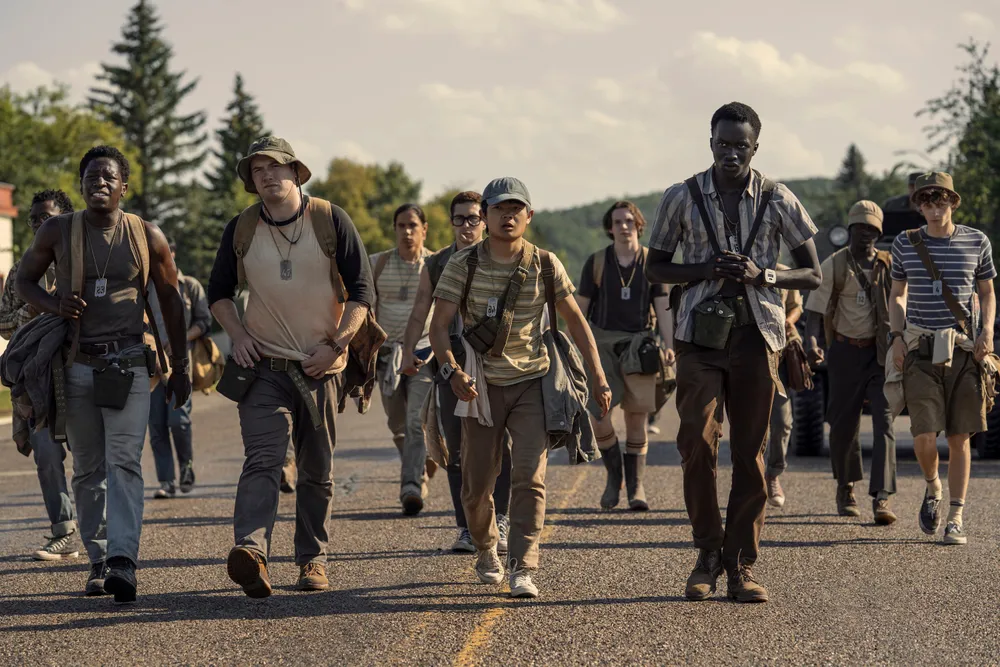
6. The Long Walk (Dir.: Francis Lawrence)
In the year’s best Stephen King adaptation (the others being the gorily loopy The Monkey and the disappointingly ham-fisted The Running Man), director Francis Lawrence and screenwriter JT Mollner take the author’s dystopian morality play and transform it into something distinctly personal. Cooper Hoffman, David Jonsson, and Mark Hamill are the familiar names, but the entire roster of up-and-coming young talents making up the “contestants” chosen to participate in a never-ending death march are all outstanding. As for the film, this perceptive nightmare looks poverty, community, capitalism, and fascism square in the eye and refuses to blink. Decidedly not for the faint of heart, but perceptively unforgettable all the same.
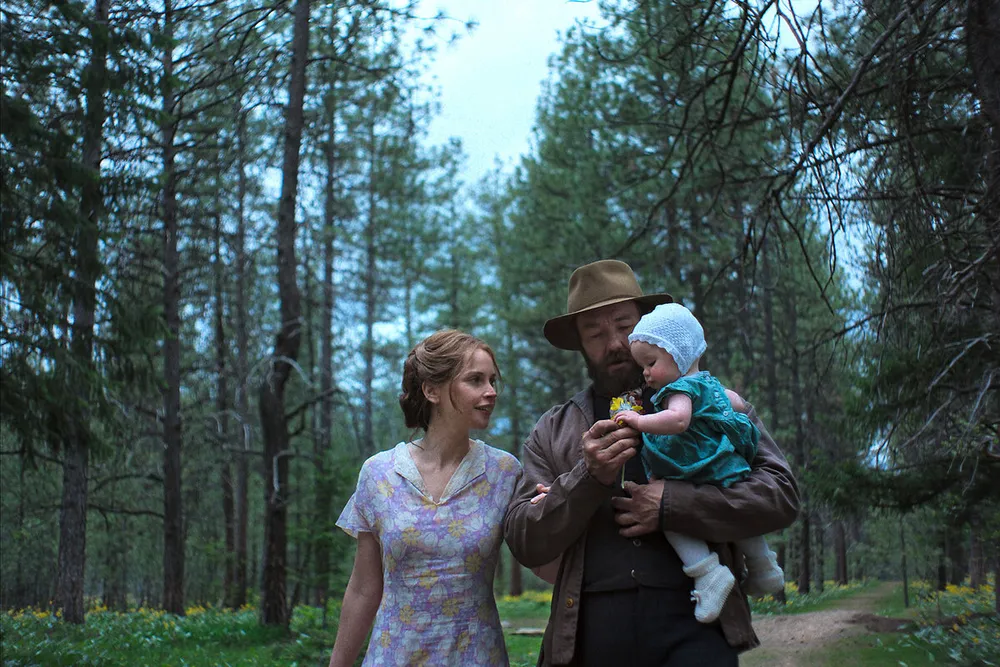
5. Train Dreams (Dir.: Clint Bentley)
Life. Death. Longing. Love. Regret. Devastation. Rebirth. Based on the exquisitely austere novella by Denis Johnson, director Clint Bentley’s Train Dreams is a transformational stunner of a rapidly changing Pacific Northwest of the early 20th century. This picturesque saga of a man who literally lays the tracks for an ever-changing world he’ll barely see is a haunting spectacle that cuts deep and leaves lasting scars. But thanks to Joel Edgerton’s toweringly meditative performance, Adolpho Veloso’s magically lush cinematography, and Bentley’s astute direction, tragedy and triumph walk hand-in-hand. An absolute marvel.
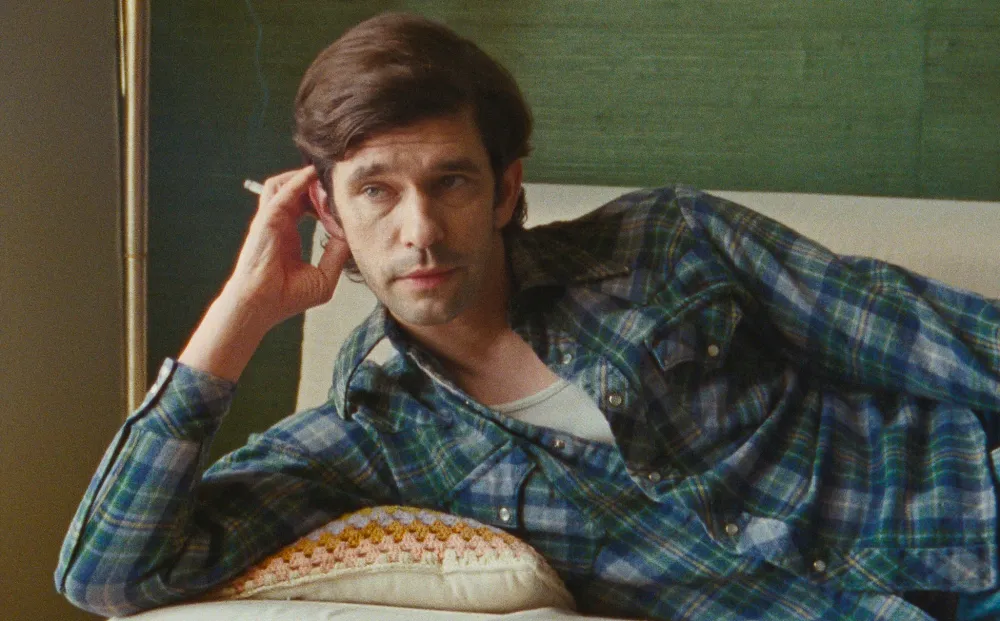
4. Peter Hujar’s Day (Dir.: Ira Sachs)
Two friends have a conversation in a New York apartment. One is a noteworthy photographer. The other is a journalist researching a new book. All the latter wants from the former is a detailed recollection of what he did over the course of a single day. That’s it. But what director Ira Sachs uncovers, with the aid of Linda Rosenkrantz’s 1974 transcripts of her conversation with photographer Peter Hujar, is monumentally insightful. Art, gender, sexuality, love, longing, creation, and self-examination all coalesce with verbally creative explosiveness into something deeply personal and eloquently universal. Ben Whishaw and Rebecca Hall have rarely been better, while director of photography Alex Ashe’s camera achieves a level of earthshattering familiarity that allows this grainy snapshot of the past to feel as modern as today’s most viral 1080p spectacle.
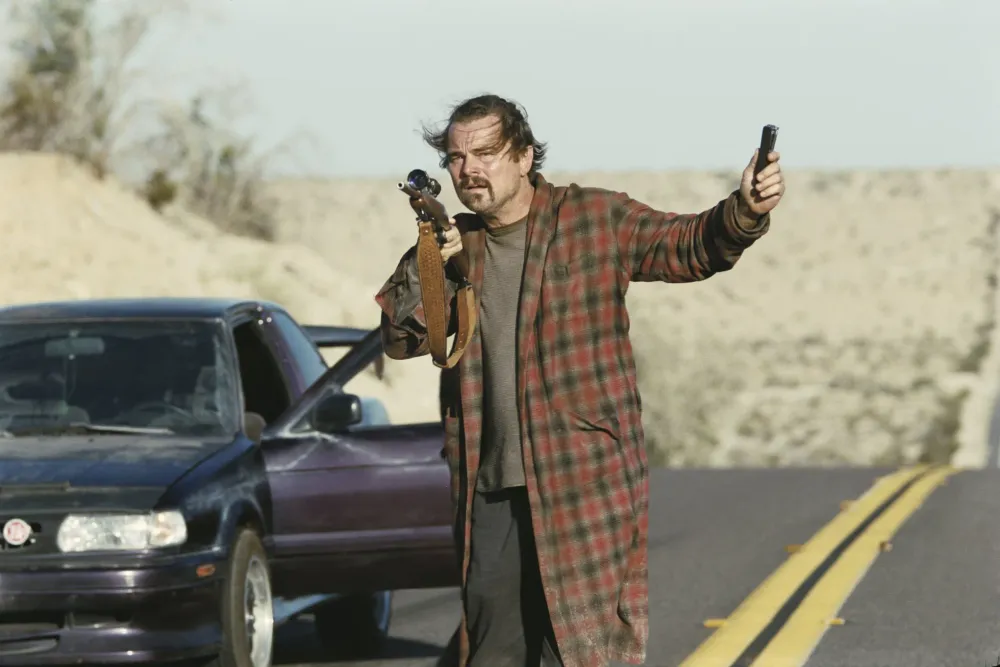
3. One Battle After Another (Dir.: Paul Thomas Anderson)
Returning to the world of Thomas Pynchon for the first time since 2014’s Inherent Vice, writer-director Paul Thomas Anderson takes the author’s novel Vineland and makes something explosively outrageous out of it. His film strips America and its supposed ideals naked, showcasing a land of constant upheaval, political malfeasance, irredeemable propagandistic programming, and militaristic excess that would be hysterical if it weren’t so shockingly spot-on. But Anderson also finds hope in resistance, humanity in community, and salvation in new generations eager to make a difference. At the center of it all is a mumbling, bumbling everyman who hasn’t made the best choices in life but whose love for his only child is so selfless and sincere that he’ll crack the world like an egg to see her protected — even if she proves to be particularly good at protecting herself. The all-star ensemble led by Leonardo DiCaprio is aces, but it is newcomer Chase Infiniti who steals the show.
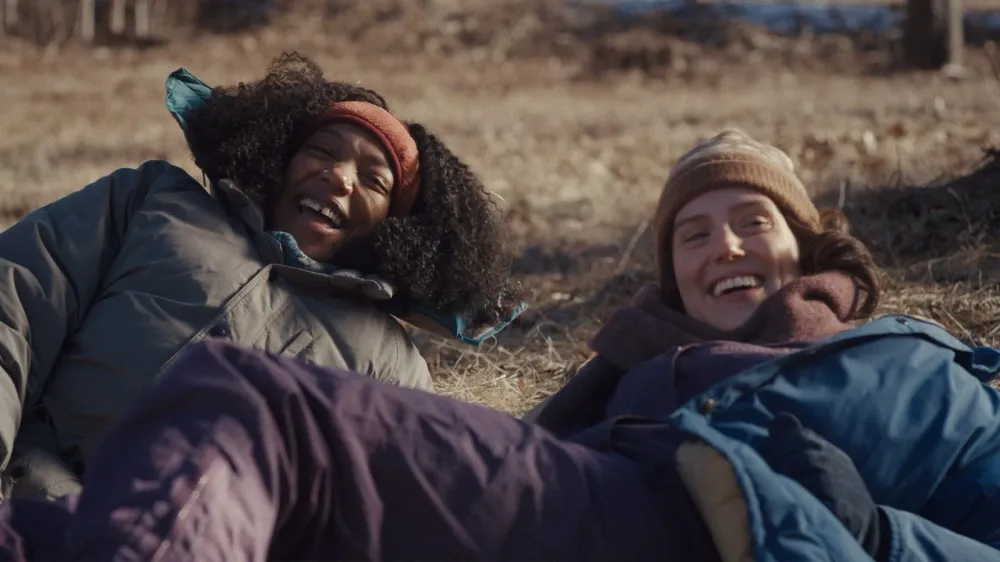
2. Sorry, Baby (Dir.: Eva Victor)
Sometimes a sandwich can save a life. At least, that’s how it seems in writer-director-star Eva Victor’s masterful Sorry, Baby, a film so confidently made, it’s difficult to believe this is the talented filmmaker’s feature-length debut. A semi-nonlinear chronicle of a young woman attempting to rebuild her life after a horrific assault at the hands of her thesis advisor, the film is a poignantly beguiling wonder that resolutely avoids taking the easy way out and never stoops to sensationalism or melodramatic excess to make its observations. Victor finds comedy where it is least expected, kindles tears in the most mundane of everyday occurrences, and evokes hope by looking into the eyes of a baby reaching out its tiny hand to latch on to a wary finger. This movie broke me. That’s a compliment. Now, how about that sandwich?
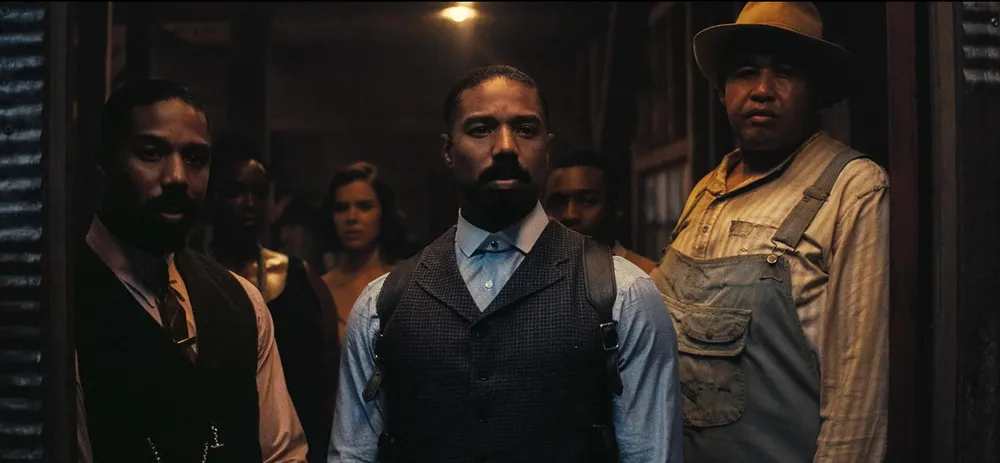
1. Sinners (Dir.: Ryan Coogler)
No singular moment in all of 2025 knocked my socks off quite like when Ryan Coogler unleashed a mid-movie aria of musical brilliance in his epic Prohibition-era, Mississippi-set triumph, Sinners. Past, present, and future all meld seamlessly into one, and those dancing the night away inside the juke joint newly opened by twin brothers Smoke and Stack (a never-better Michael B. Jordan) go on a sweaty journey of melodic euphoria that leaves them breathless. Coogler tackles issues relating to race, gender, cultural assimilation, white supremacy, economic disparity, and familial pain with razor-sharp precision, and a healthy dollop of vampiric terror for good measure. Social commentary masking as crowd-pleasing pop entertainment has rarely been this bloody (figuratively and literally) entertaining. A masterpiece.
Twenty-five more (because I can)
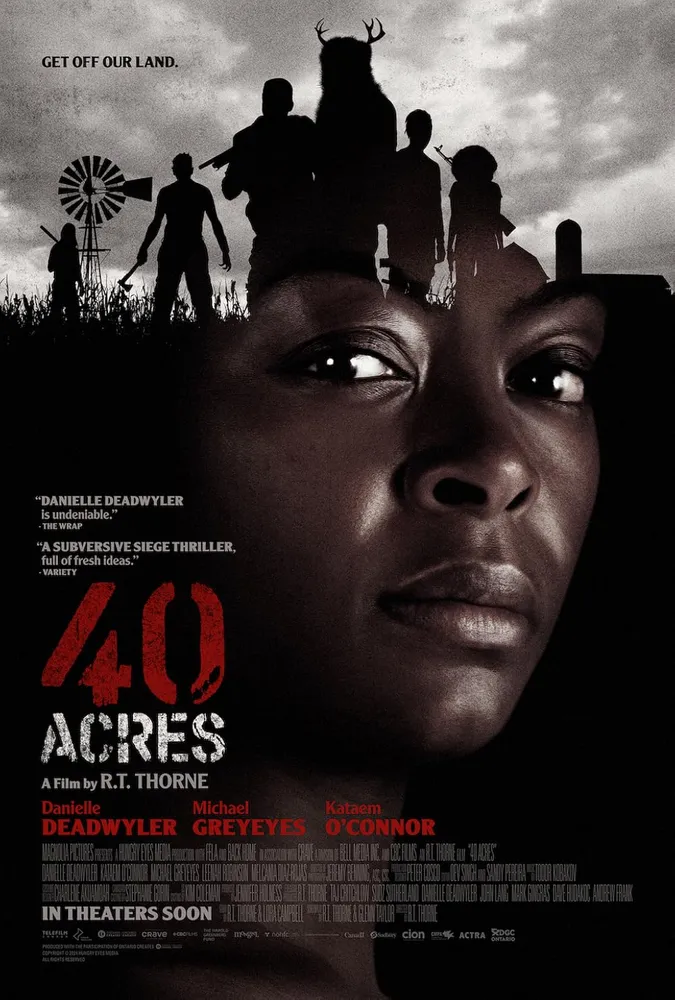
40 Acres (Dir.: R.T. Thorne), The Ballad of Wallis Island (James Griffiths), Cloud (Kiyoshi Kurosawa), Companion (Drew Hancock), Die My Love (Lynne Ramsay), Eephus (Carson Lund), Hamnet (Chloé Zhao), Heart Eyes (Josh Ruben), Honey Don’t! (Ethan Coen), A House of Dynamite (Kathryn Bigelow), If I Had Legs I’d Kick You (Mary Bronstein), Is This Thing On? (Bradley Cooper), KPop Demon Hunters (Chris Appelhans, Maggie Kang), Marty Supreme (Josh Safdie), Mickey 17 (Bong Joon Ho), The Naked Gun (Akiva Schaffer), The Plague (Charlie Polinger), Predator: Badlands (Dan Trachtenberg), Queens of the Dead (Tina Romero), The Secret Agent (Kleber Mendonça Filho), Superman (James Gunn), The Ugly Stepsister (Emilie Kristine Blichfeldt), Wake Up Dead Man (Rian Johnson), The Wedding Banquet (Andrew Ahn), Zootopia 2 (Jared Bush, Byron Howard)
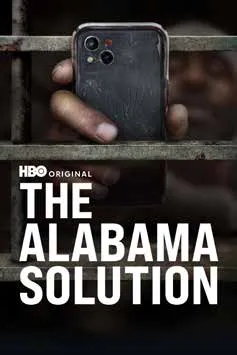
Six favorite documentaries
The Alabama Solution (Andrew Jarecki, Charlotte Kaufman), Come See Me in the Good Light (Ryan White), Heightened Scrutiny (Sam Feder), Ladies & Gentlemen… 50 Years of SNL Music (Questlove, Oz Rodríguez), The Perfect Neighbor (Geeta Gandbhir), WTO/99 (Ian Bell)
Support the Seattle Gay News: Celebrate 51 Years with Us!
As the third-oldest LGBTQIA+ newspaper in the United States, the Seattle Gay News (SGN) has been a vital independent source of news and entertainment for Seattle and the Pacific Northwest since 1974.
As we celebrate our 51st year, we need your support to continue our mission.
A monthly contribution will ensure that SGN remains a beacon of truth and a virtual gathering place for community dialogue.
Help us keep printing and providing a platform for LGBTQIA+ voices.
How you can donate!
Using this link: givebutter.com/6lZnDB
Text “SGN” to 53-555
Or Scan the QR code below!