

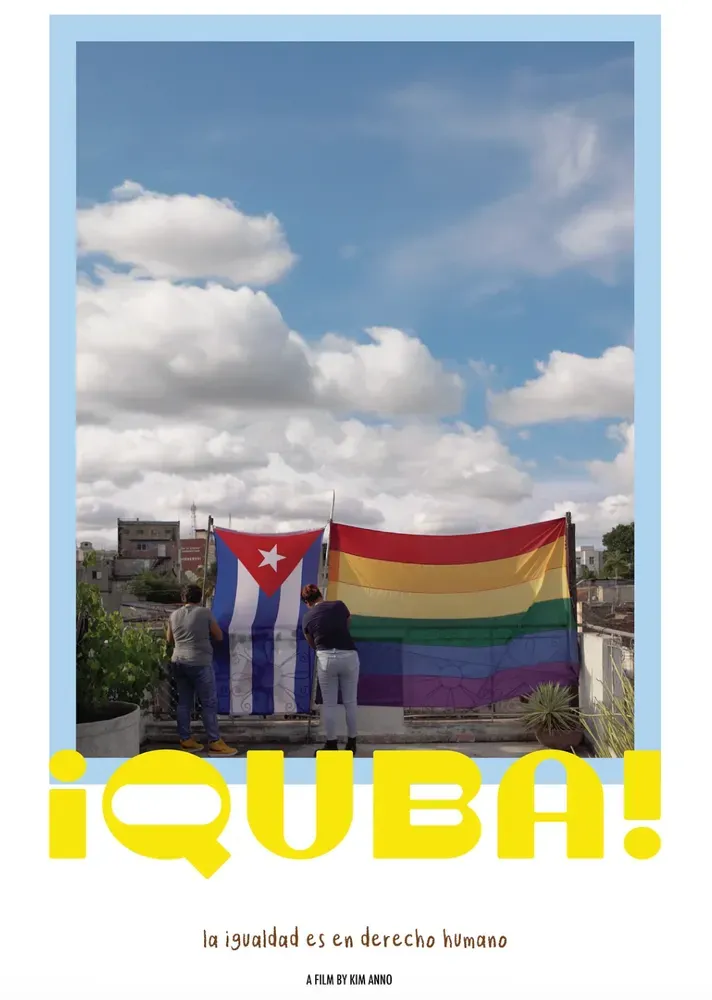
In a 2022 referendum, Cuba passed a historic new Family Code by an overwhelming vote. The new Family Code:
- guaranteed the right of all people to form a family without discrimination, legalizing same-sex marriage and allowing same-sex couples to adopt children.
- allowed parental rights to be shared among extended and non-traditional family structures that could include grandparents, stepparents, and surrogate mothers.
- legalized prenuptial agreements and assisted reproduction.
- boosted women’s rights, promoting equal sharing of domestic responsibilities and extending labor rights to those who care full-time for children, the elderly, or people with disabilities.
- established the right to a family life free from violence, that “values love, affection, solidarity and responsibility.”
- codified domestic violence penalties, and outlawed corporal punishment of children.
- stated that parents will have “responsibility” instead of “custody” of children and are required to be “respectful of the dignity and physical and mental integrity of children and adolescents.”
- asserted that parents should grant maturing offspring more say over their lives.
Of course, reforms on such a monumental scale didn’t come out of nowhere. In the early days of the Cuban revolution, the new government associated the LGBTQIA community with the Mafia-run sex clubs that flourished in pre-revolutionary Havana. Queer Cubans were often sent to “re-education camps” similar to “reparative therapy” centers in the US.
But LGBTQ+ activists did not give up their struggle, and ¡QUBA! documents that decades-long struggle and the activists who turned a revolution within the revolution into reality.
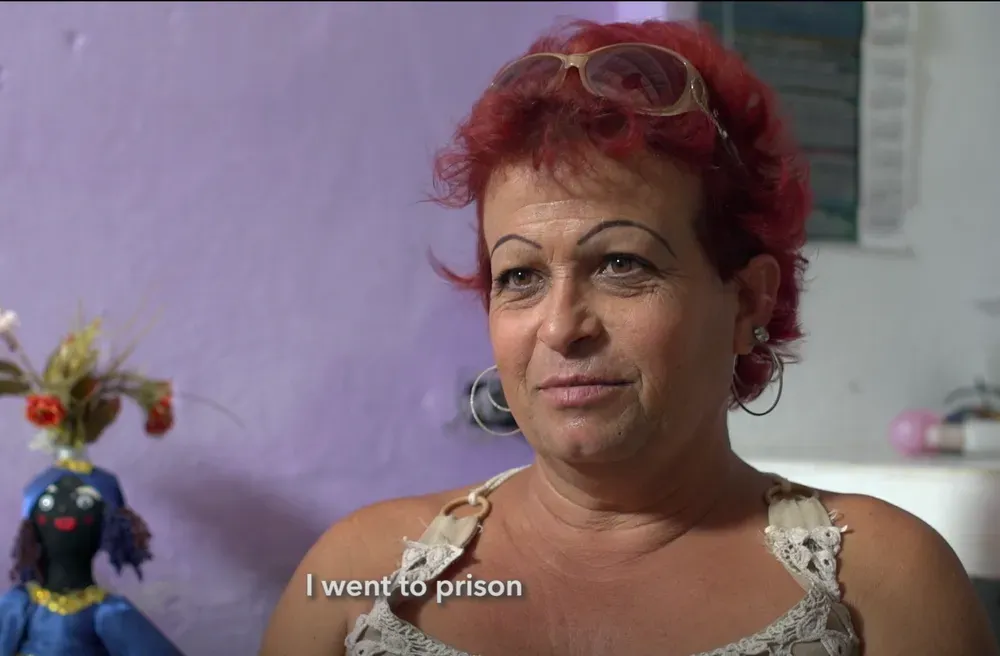
At its heart are two iconic trailblazers: Adela Hernández, Cuba’s first openly Transgender elected official, whose quiet perseverance broke barriers in rural Caibarién, and Ramón Silverio, the subversive theater director who transformed his cultural hub, El Mejunje, into a sanctuary for Queer art and resistance.
Through their friendship, we witness how Cuba’s LGBTQIA movement took root—from the dark days of UMAP labor camps to the defiant drag performances that challenged homophobia in Santa Clara. Ramón’s rainbow caravan of artists brought radical acceptance to Cuba’s most isolated towns, proving that change could bloom even in hardened soil.
Their legacy fuels a new generation of firebrands. In Santiago, the lesbian collective Las Isabelas —Maritza, Ana, and Isel—combat machismo with radical visibility, conducting educational campaigns to empower women and girls.
¡Quba! captures a paradox shattered: in a nation that had overturned capitalism but still wrestled with patriarchal traditions, the people themselves became the vanguard. This victory—won through art, organizing, and unapologetic joy—proves that revolution is never finished. From Adela’s trailblazing resilience to Ramón’s artistic insurgency and the bold fury of Las Isabelas, the film is a testament to love’s power to rewrite history.
¡QUBA! will be screened in several venues in the Greater Seattle area: At the Roxy Theatre, 270 4th Street, Bremerton, 3:00 p.m. on Sunday, January 11; at the Washington State Labor Council offices, 321 16th Avenue S, Seattle, 6:00 p.m. on Monday, January 12; at Seattle Central College, 1701 Broadway, Seattle, 1:00 p.m. on Tuesday, January 13; and at the University of Washington, Thompson Hall Room 101, 4:30 p.m. on Tuesday, January 13.
Support the Seattle Gay News: Celebrate 52 Years with Us!
As the third-oldest LGBTQIA+ newspaper in the United States, the Seattle Gay News (SGN) has been a vital independent source of news and entertainment for Seattle and the Pacific Northwest since 1974.
As we soon enter into our 52nd year, we need your support to continue our mission.
A monthly contribution will ensure that SGN remains a beacon of truth and a virtual gathering place for community dialogue.
Help us keep printing and providing a platform for LGBTQIA+ voices.
How you can donate!
Using this link: givebutter.com/6lZnDB
Text “SGN” to 53-555
Or Scan the QR code below!