

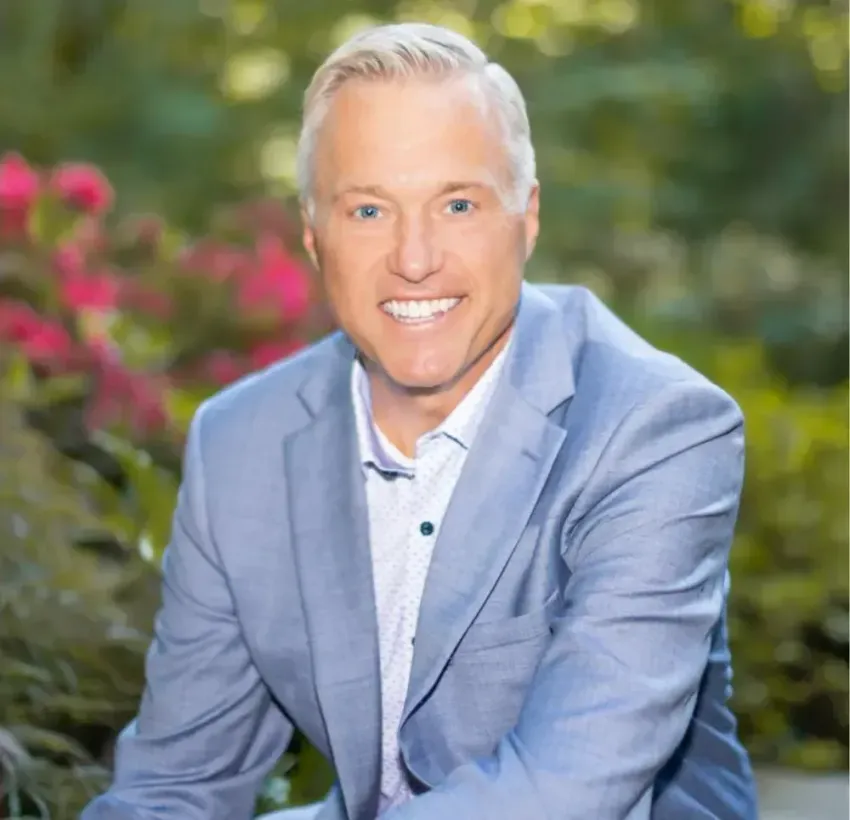
Dennis Worsham is a civil servant who — although not as well recognized as Attorney General Nick Brown or Gov. Bob Ferguson — still performs a vital role as Washington’s secretary of health.
Among the 24 appointed heads of state agencies tasked to implement, enforce, and administer Washington’s laws, Secretary Worsham is the one that ensures that the Department of Health runs both equitably and smoothly for all residents. Gov. Ferguson appointed Worsham to his position in June 2025, with an official start date of July 7. But before his cabinet appointment (and long career in public health), there was also a rich life’s story of perseverance — and love for the Queer community as a Gay man — that led the man to his unshakable dedication to the field.
The SGN interviewed the secretary to learn more about how his experiences brought him to where he is now, and how the struggles of public health policy for LGBTQIA+ people has evolved over time.
Upbringing
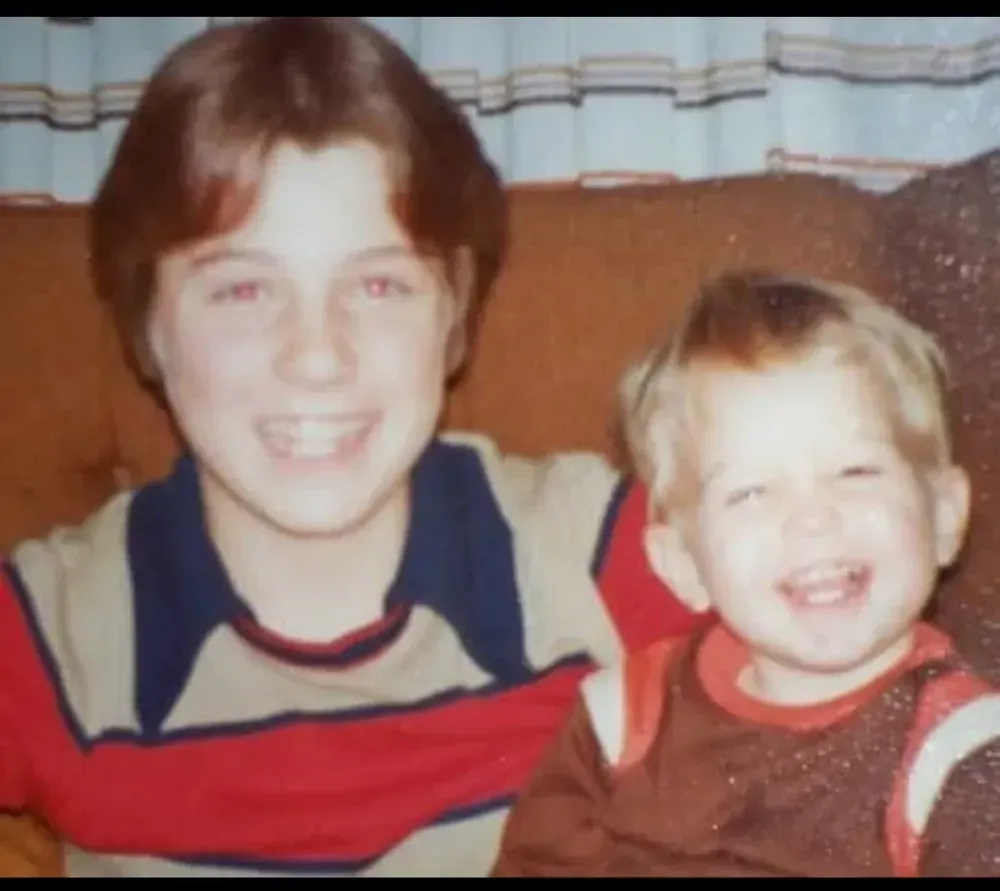
Dennis Worsham was born in Othello, Washington, in 1964 to a Mormon household that was not accepting of Queer people. He shared what is was like as a youth to have to hid his Queer feelings from others.
“My story is not unlike so many [other] people in those rural communities or environments,” he related. “All the things you have to do to make sure you’re fitting in were always top of mind… My earliest remembrance was probably just before turning eight years old. I was raised Mormon, and in the Mormon church you’re baptized at eight. I remember sitting in front of an elder in the church and wondering, ‘Do I share that I like boys or not?’ And something, you know, in our social environment told me it wasn’t a safe thing to share.”
Another core memory Worsham shared was of hiding his queerness at 12 years old, when his family’s religious community organized against the Equal Rights Amendment. He recalled his mother at the time coming home one evening, after being at a march in opposition to the measure, pointing out to him that “there were homosexuals there.”
When he asked his mother to explain what a “homosexual” was, her description gave him language to understand his dominant feelings for the first time. His mother stated, “It’s when somebody loves somebody of the same sex.” He suspects now that his mother may have known intuitively that he was closeted at the time, although his mother reportedly doesn’t think so. He reflected on the importance of that moment: “I thought it was a gentle way of saying that. It wasn’t in a derogatory way or anything, and it was the first time I had a definition for what I felt.”
In his high school years, he described spending most of his time trying to fit in, and doing everything he could to change himself to be straight, despite it taking a toll on his mental health.
“It just really wreaked havoc on me to be different and not feel, you know, a part of the mainstream,” he reflected.
College and coming out
But once Worsham started attending college, things began to change as he started to discover both himself and his passions. According to him, it took time to unlearn the conservative beliefs that were engrained from a young age. When he served as Associated Student president of Columbia Basin Community College, the issue of HIV/AIDS started to become known on campus. Although his colleagues put forward a measure to add condom machines in campus restrooms, he remembered vetoing the measure because of how he was brought up. Later on, after he graduated and came out, he remembered calling back to apologize for what he did: “It was such a mistake,” he said. “I hope you’ve put condoms in the bathroom.” To which they responded: “As soon as you left, we put them in.”
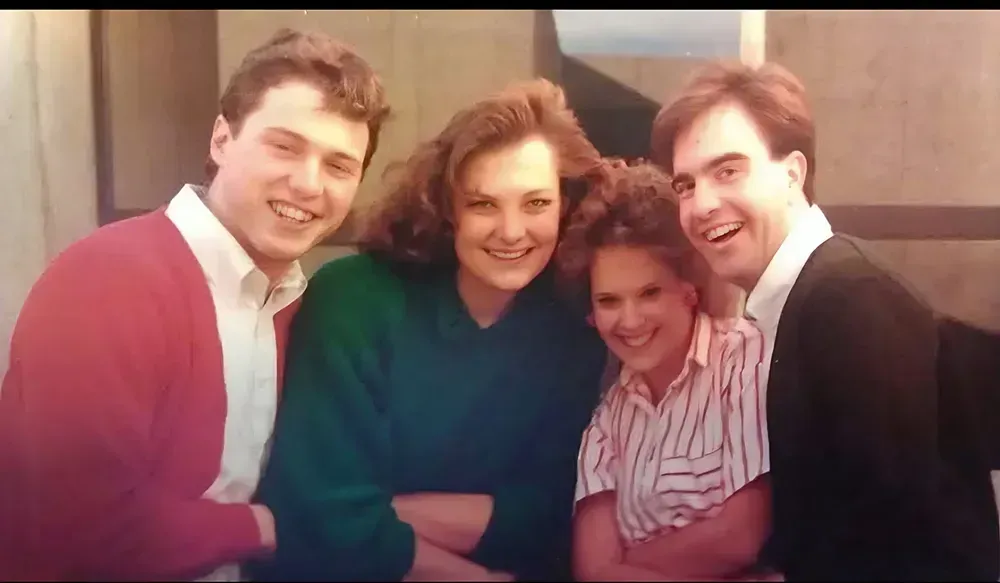
However it was at Eastern Washington University where his passion for public health and community advocacy really began to shine. He continued to serve in student government as president, and ran on a platform of bringing student health to the campus.
“It was the only four-year university in the state of Washington that didn’t have student health, and [I] really saw the inequities of not having access,” he said of the situation. Before he graduated, the EWU student government was able to get a student health program approved, and as a strong proponent, he was even offered a job to get it started.
But it was also during that time Worsham began his coming-out process. He recalled that his initial plan was to graduate and move to Seattle, where he wanted to fully come out as Gay; however, he ultimately decided the opportunity to stay and work at EWU was too good to pass up.
When he came out at the end of his studies at EWU in 1991, he started attending panels to talk with others about his journey as a young Gay man. He explained how challenging it was at the time “to dispel these myths about the Gay lifestyle, who Gay people are, and Gay men in particular.”
Alongside that, he also admitted how “it was [also] healing, because as we tell our story, there’s a healing component, and also some empowerment, because I started being able to say my story out loud. And, it’s probably what gave me that journey of wanting to step more into Queer health and Gay men’s health.”
HIV advocacy
As Worsham became more involved with Gay and HIV advocacy around Washington state, he slowly made the transition in his career from student health to public health, and HIV in particular. He mentioned how badly he wanted to work for an organization called the Northwest AIDS Foundation at the time, but how also unfortunately it didn’t have any openings.
Worsham talked about an elder he admired named Malcolm, who was heavily active in HIV work: “He was this phenomenal health educator… unapologetic about being a Gay man. And he was [also] part of the ACT UP movement and all of those things during that time.”
This elder tipped off Worsham about a new opening in Snohomish that got him his start in the field. According to Worsham, “ACT UP was upset that the government in Snohomish County hadn’t done anything to really address Gay men’s health, and so I was the first openly Gay person to be hired into doing that work up in Snohomish County.”
Worsham shared how working in public health during the HIV epidemic skewed his worldview of what was possible for his life as a Gay man: “In my late 20s, I was feeling like… will I live to be 40? Will I live to be 35? And, is this my path? The sense of normalcy of young Gay men dying in their 20s and 30s became a community norm.”
He added that in his new job, “I only saw people [at first] who were dying, and who were suffering [with HIV]. And you can’t help but think about your own mortality, and the impacts a lack of federal government actions had.”
The homophobia Worsham encountered during those times also stands out distinctly in his memory. He shared how he had started a group called the Speakers’ Bureau to help bring HIV-positive people to schools around the region, to educate young people on the disease and combat the associated stigma. However, the speakers weren’t always so well received by the community. “I remember being up in Arlington,” he said. “And I have this guy who’s courageous, living with AIDS, on stage telling his story, and some kid stood up and said, ‘I hope you die’ and the crowd was clapping.”
Worsham pointed out that during those times, just as activists were bringing awareness to AIDS as a disease, there was also a strong social justice movement doing incredible things. And the line between his own journey and that of the Queer community became to feel deeply overlapping.
“I was so in the mix of it that I couldn’t really see where I began and where my work began, or where they stopped or intertwined,” Worsham said, “because the fabric was just so woven for me on both sides. It was my story, it was the story of others. And yet, it was a community of people who were like me that were suffering. And it was just a very surreal time.”
Worsham also gave his overall impression on the legacy of those times: “In the state of Washington, had it not been for the HIV epidemic [and] the mobilization of communities, [there would not be] so many of the wonderful things that we have now. It cost a lot of lives, and a lot of suffering, but it is on the shoulders of those people that I’m so grateful.”
Queer health today
The SGN asked Secretary Worsham about the state of LGBTQIA+ community health in Washington today, and how it has changed over his career. The secretary emphasized the benefits of local government entities like the Department of Health, which now collect information on health outcomes of Queer residents, and how that helps policymakers tackle issues the community faces more precisely. He also lauded the progress made in hospitals and clinics offering LGBTQIA+-specific health services, including gender-affirming care, and touched on the advancements that have been made in HIV health and medication in recent years.
“We have medications that really now have moved [those living with HIV] to a chronic condition, and we have moved into PrEP medications that really are blockers for HIV transmission,” Secretary Worsham said appreciatively. “We have come a long way… I mean, I never thought I would see medications like we have now in people living [with] a chronic condition, which is really pretty amazing.”
However, he pointed out that there were also some new health challenges that have unintentionally come with the advent of new medications. The secretary mentioned that in the ’90s, after the HIV epidemic began to subside, there was a backlash movement to make Gay sex feel “less dirty,” which led people to have more unprotected sex, and now that PrEP can quell people’s fears of HIV transmission, a similar trend has emerged that has increased the rates of unprotected sex — and transmission of other STIs — among the local Queer community.
“It has really opened up other disease paths,” he explained, “and of course gonorrhea and syphilis in men who have sex with men is pretty high, higher than it was when I was doing the education work. So, I do think we have some work around that in our community in particular as a concern.”
Overall, the secretary acknowledged that it will take ongoing work to find a balance between not making Gay sex feel like a “dirty thing” while also raising concerns about disease in the community, so as to make sure people protect their own health and that of others.
Mental health and Trump
Secretary Worsham raided additional health issues that continue to disproportionately impact LGBTQIA+ people, including tobacco and recreational drug use. But out of everything, he believes that mental health is “the hardest journey we have ahead of us right now in our community… Suicide rates continue to be high, and I think under this [Trump] administration, they’ve gotten worse.”
The secretary stressed the importance that stress itself has on negatively impacting people’s lives, even citing a source that found that those with chronically high stress levels had worse health outcomes than those who smoked a pack of cigarettes a day. He noted that the World Health Organization defines public health as not just the absence of disease but also people’s overall well-being and preventive factors, including stress reduction.
He touched on the recent challenges of federal funding cuts to Medicare and Medicaid under Trump, as well as the attacks on gender-affirming care and erasing of Transgender people in government language and data collection. “They’re scrubbing our language out of our data points that the federal government collects,” he emphatically stated, “trying to erase a group of people and change the history… taking down plaques at Stonewall… I mean you can’t, as a Queer person, watch this and not have some kind of a reaction to it that is toxic in our bodies.”
The secretary of health was asked how he protects the health information of LGBTQIA+ residents, particularly in instances of federal data collection requests.
“Our governor is highly committed to data protection, and we have a really strong legal path here in this area,” he replied, adding, “We have very strong laws in the state of Washington that protect us in not sharing that data, and if the federal government tries to play a hard card, our AG’s office is quick to step in and interrupt that through a legal process.”
Love wins
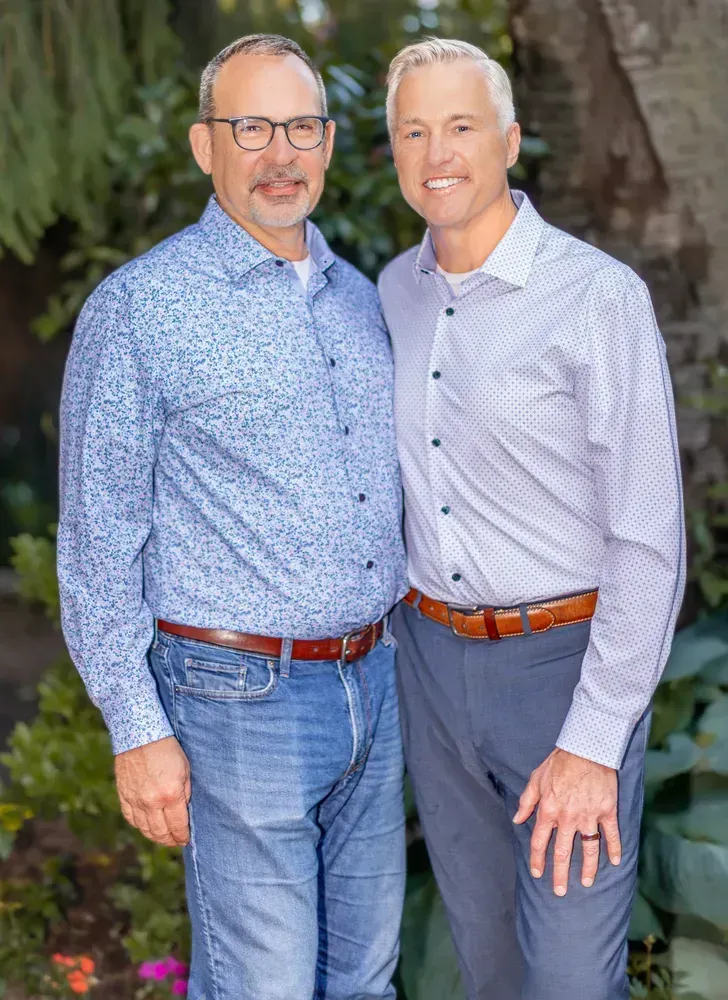
The conversation ended on a warmer note as the secretary was asked to share a little bit about his husband Bruce and their over three decades of partnership.
“He’s, as they say, my better half,” he said.
According to the secretary, his husband came out later in life. While serving in the military, he was arrested for being Gay and was detained for a week. While being investigated, “he never confessed. They had no proof, and pulled [his] security clearance at that time. [The] only two things that [his clearance] could be pulled for was either giving information to Russia or being Gay. And so people knew what his clearance had been pulled for.”
Once marriage equality arrived and the two became legal spouses, he pointed out how stark the contrast was for his husband in that moment.
“You can imagine, from his time of being incarcerated for a week and questioned to a time that I now carry a military spouse card — because he ended up retiring from the military doing reserves — [we have come] a long way over [that] period of time. And he’s a kind, just really wonderful man. This September will be our 31st year together.”
Support the Seattle Gay News: Celebrate 52 Years with Us!
As the third-oldest LGBTQIA+ newspaper in the United States, the Seattle Gay News (SGN) has been a vital independent source of news and entertainment for Seattle and the Pacific Northwest since 1974.
As we reach our 52nd year, we need your support to continue our mission.
A monthly contribution will ensure that SGN remains a beacon of truth and a virtual gathering place for community dialogue.
Help us keep printing and providing a platform for LGBTQIA+ voices.
How you can donate!
Using this link: givebutter.com/6lZnDB
Text “SGN” to 53-555
Or Scan the QR code below!