

The first time I realized I didn’t understand Thailand, I was standing in a crowded bar, dancing alone. Music pulsed through the room, lights flashed across a sea of seated bodies. No one moved. No one cheered. No one sang along. They simply watched if the performance deserved reverence more than reaction. Meanwhile, I was on my feet, busting down and unsure whether I was the only one doing it wrong.
Just weeks earlier, I had arrived in Thailand to teach English. After a short orientation in Bangkok, I was sent to Khon Kaen, a city in the country’s northeast. I came with expectations: lush jungles, bustling markets, constant motion. What I found instead was something quieter — and far more surprising.
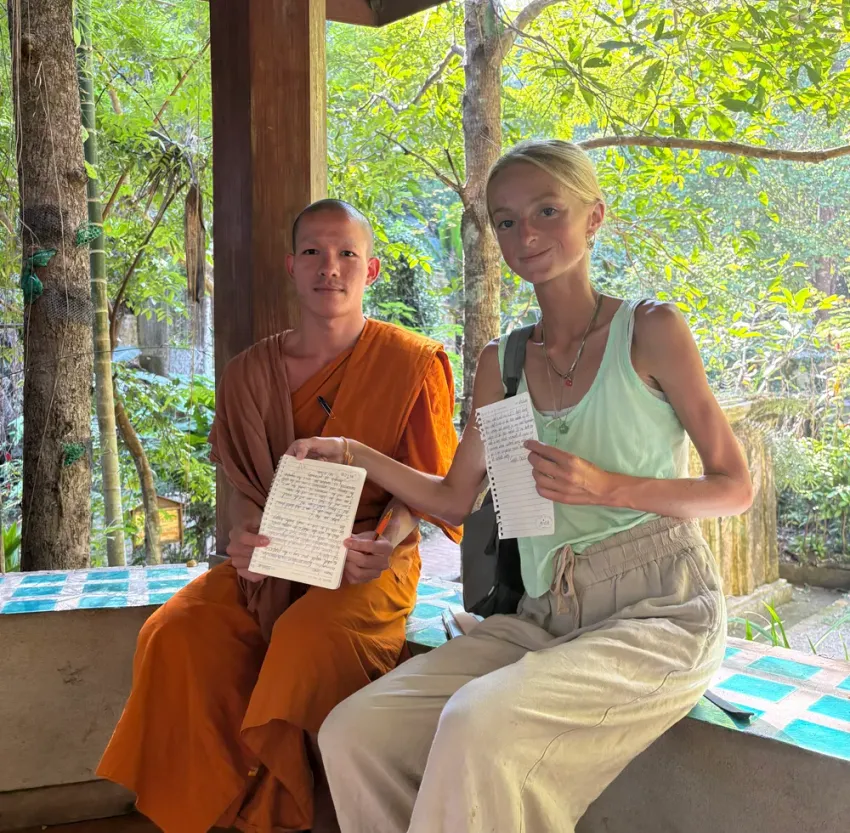
The people of Khon Kaen were gentle in a way I hadn’t experienced before: soft-spoken, kind, and deeply generous, yet reserved. Interactions were often brief but warm, carried out with a politeness that felt less performative and more ingrained — a natural extension of how people moved through the world through the practice of Buddhism.
And yet, within that quiet culture of respect, there was an openness I hadn’t expected.
Many of my students came to school unapologetically themselves: boys with full faces of makeup, students openly identifying as Gay or Bisexual, expressions of identity that, in other places, might invite scrutiny or discomfort. Here, no one blinked. There was no spectacle made of it, no whispered judgment. It simply existed, woven into daily life.
It struck me that acceptance in Thailand didn’t always look loud or declarative. It looked like indifference in the best way, like allowing people to be exactly who they were without question.

A different pace
Some of my most meaningful connections happened without language at all. Almost every night, I took dance lessons from a former ballroom teacher. We shared no common tongue yet we understood each other completely through the voices of dance. Through movement, rhythm, and repetition, we built something resembling trust. It was the first time I had ever connected so deeply with someone without words, and it reshaped how I thought about communication altogether.
Life in Thailand moved at a different pace, guided less by urgency and more by intention. Each morning on my walk to school, I would pass Buddhist monks collecting alms. Locals would quietly place food into their bowls, bowing their heads in a moment of shared stillness before continuing on with their day. There was no rush, no impatience — just a quiet acknowledgment of something larger than themselves.
That same sense of reverence appeared everywhere. At live music events, people listened rather than danced. In daily life, respect seemed to take precedence over self-expression in ways that felt subtle but constant. At first, it made me feel out of place, as if my energy disrupted an unspoken rhythm. But over time, I began to understand that this stillness wasn’t absence of productivity — it was presence.
Even my expectations of adventure shifted. I had imagined weekends filled with waterfalls and jungle treks, and while those moments existed — hidden beaches, mountain climbs, glimpses of the landscapes I had dreamed about — they weren’t the center of life for most people around me. Instead, joy seemed to come from something simpler: shared meals, familiar routines, time spent together.
One of my favorite parts about Thailand was a common tourist joy: the American exchange rate. Traveling was ridiculously cheap and often very spontaneous. My friends and I would take overnight buses across the country, unsure if schedules would hold or plans would work out. We found ourselves in new places almost every weekend, chasing experiences more than destinations. From the busiest party streets in Pattaya to the local jazz dive bars (the whole world really does love Miss Amy Winehouse!), we did it all.
And yet, even those moments of movement felt different from the kind of travel I was used to. They felt less like escape and more like extension.
Success
What stayed with me most wasn’t the places I saw but the way people lived.
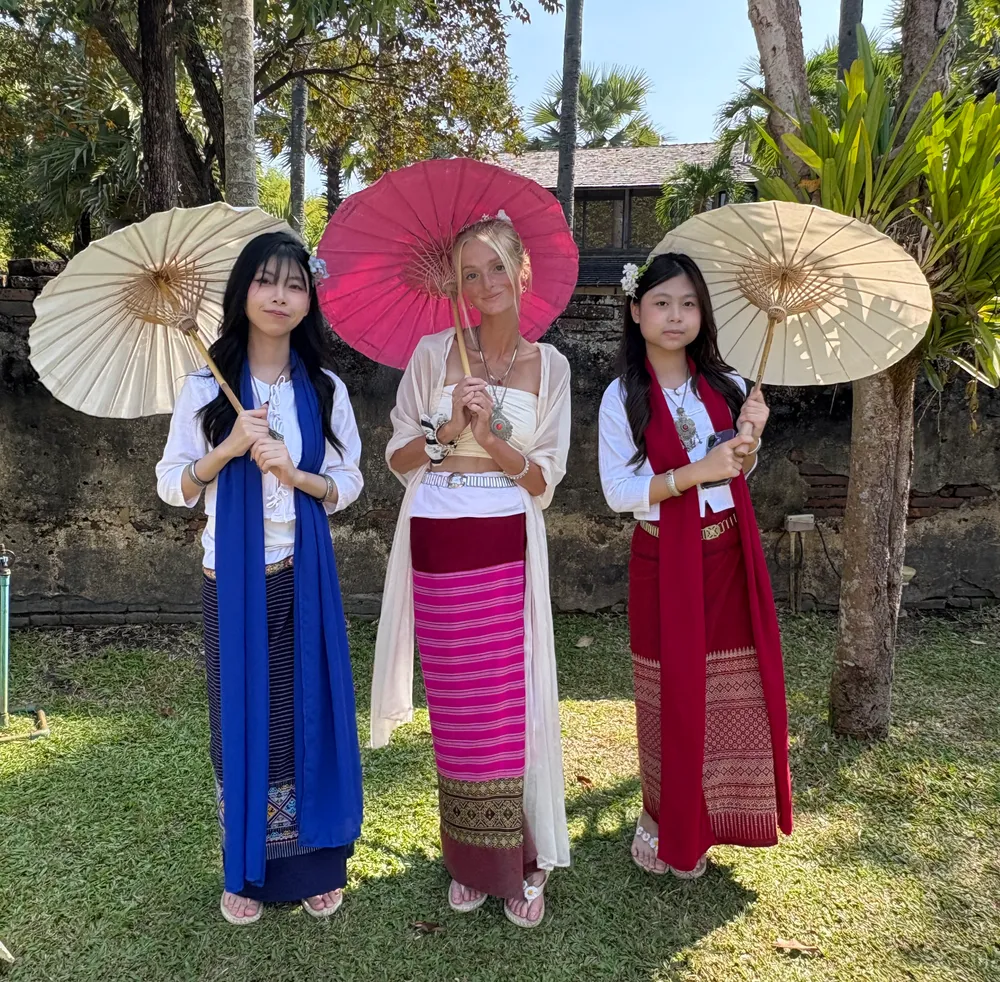
In Thailand, daily life seemed rooted in a quiet set of values: kindness, respect, generosity. Work mattered, but it didn’t eclipse everything else. There was a visible effort to do good — whether that meant helping someone, spending time with loved ones, or simply moving through the world with care.
It made me question the way I had always measured success. Back home, it often felt tied to productivity, to constant motion, to the pressure of always doing more. But in Thailand, I saw a different metric, one that had nothing to do with achievement and everything to do with presence.
Standing in that bar, dancing alone, I thought I didn’t understand the culture around me. In some ways, I was right.
But slowly, I began to realize that Thailand wasn’t asking me to understand it. It was asking me to slow down enough to feel it. And in doing so, it offered a quiet, lasting lesson:
A good life isn’t built on how much you accomplish but on how gently and generously you move through the world. And that’s a lesson I’ll try to carry with me my whole life!
Support the Seattle Gay News: Celebrate 52 Years with Us!
As the third-oldest LGBTQIA+ newspaper in the United States, the Seattle Gay News (SGN) has been a vital independent source of news and entertainment for Seattle and the Pacific Northwest since 1974.
As we celebrate our 52nd year, we need your support to continue our mission.
A monthly contribution will ensure that SGN remains a beacon of truth and a virtual gathering place for community dialogue.
Help us keep printing and providing a platform for LGBTQIA+ voices.
How you can donate!
Using this link: givebutter.com/6lZnDB
Text “SGN” to 53-555
Or Scan the QR code below!