

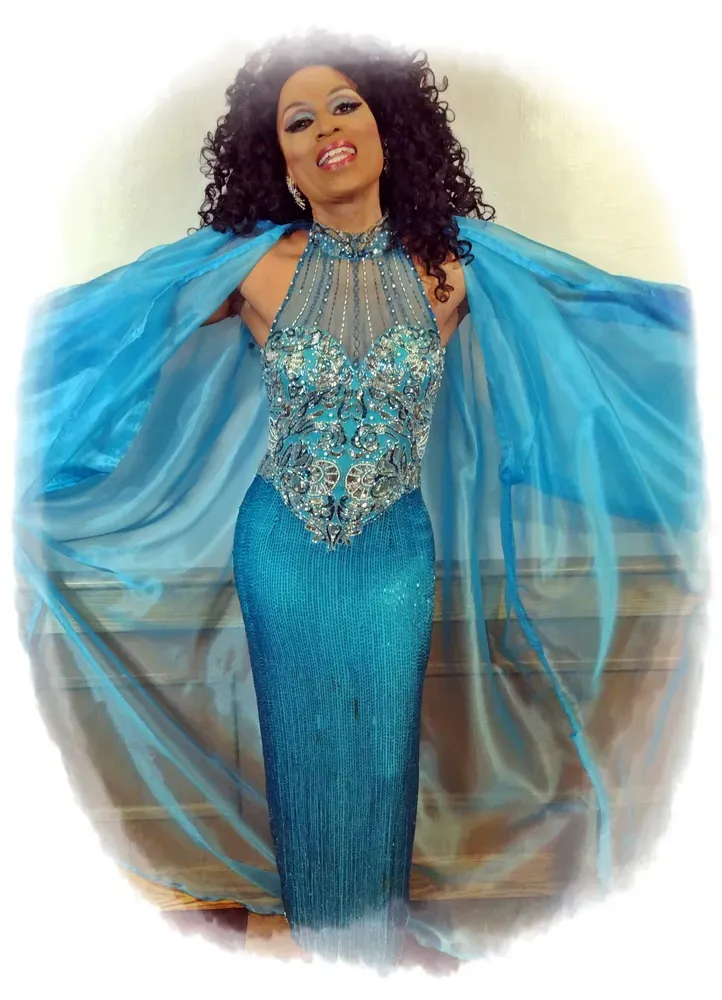
If you ask anyone in Pittsburgh’s drag scene about Kierra Darshell, you’ll hear words like “icon,” “leader,” and “inspiration.” For decades, Kierra has been much more than just a performer — she’s a mentor, an activist, and a shining example of resilience. Her magnetic presence on stage and her unwavering dedication to the local Queer community have helped shape a legacy that reaches far beyond the spotlight. Her love for her hometown runs deep, and it shows in everything she does — from her performances to her outreach.
Kierra’s story started long before drag was celebrated as it is today. Back then, the art form was on the fringes, and the journey to acceptance was anything but easy. But through her talent and determination, Kierra broke new ground in Pittsburgh, becoming a trailblazer for those who would follow.
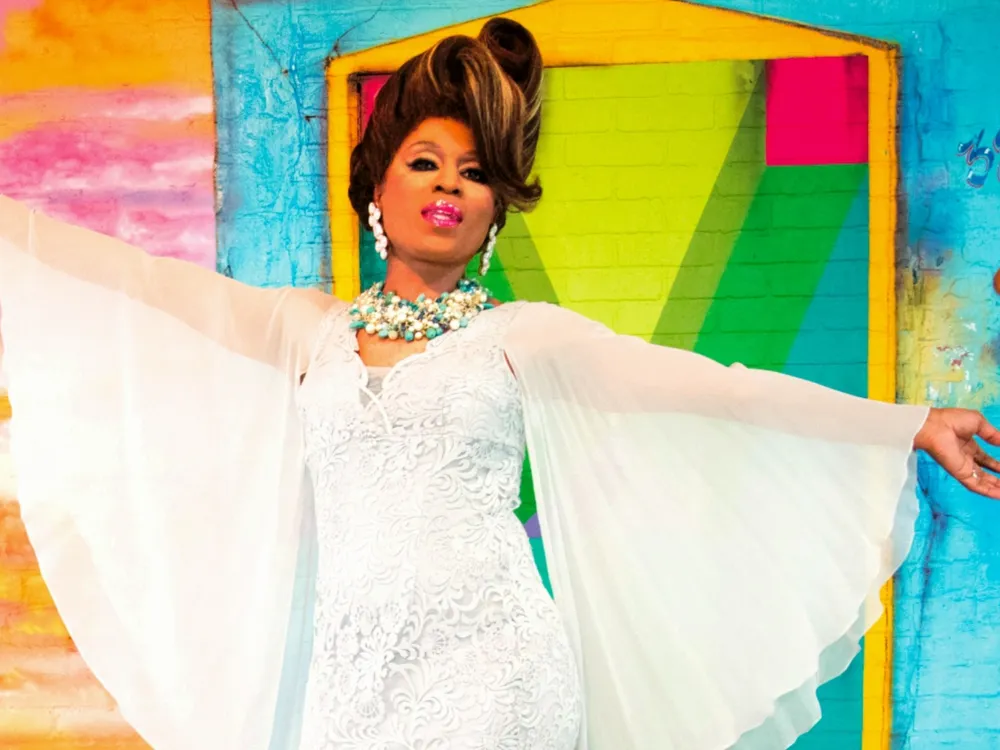
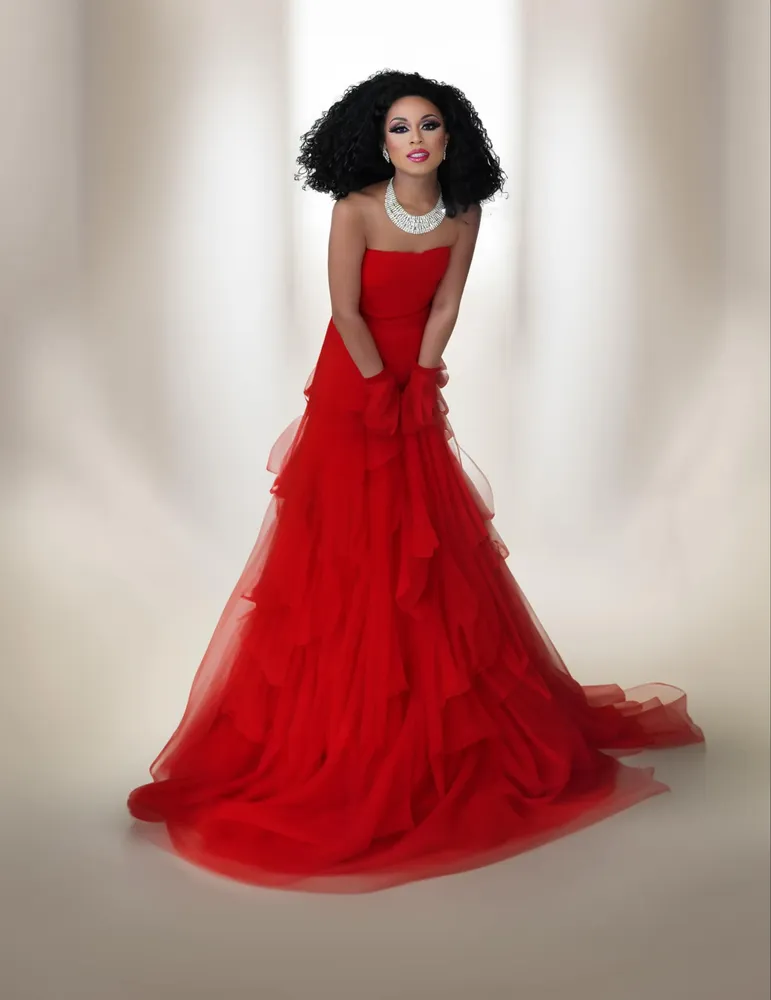
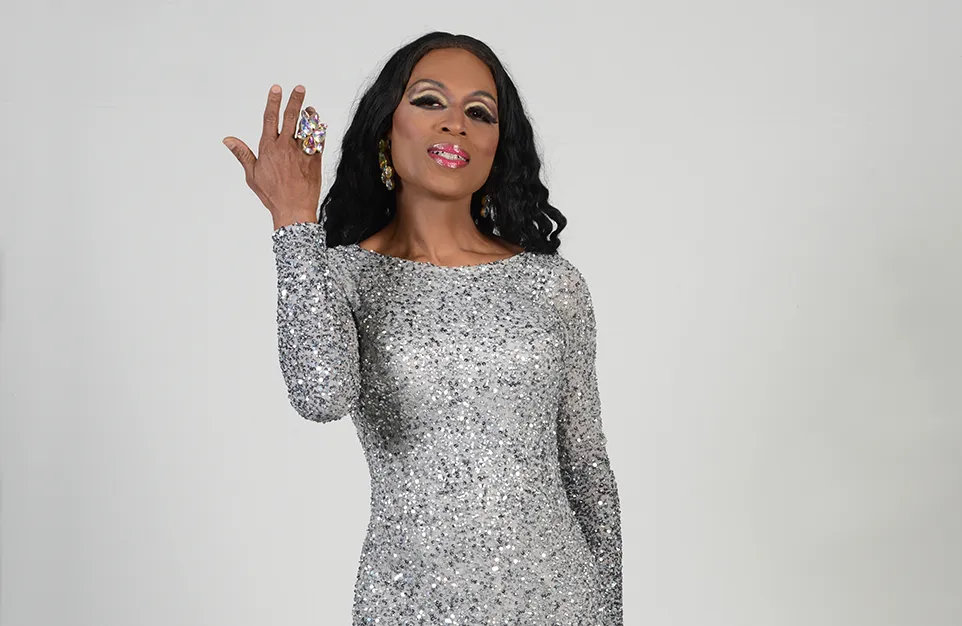
Known for her polished, glamorous style, Kierra is always the picture of sophistication. She is recognized for her elegant gowns, flawless makeup, and that unmistakable presence — warm, confident, and always commanding attention. Her performances, whether set to soulful ballads or powerful anthems, are emotional and theatrical, leaving audiences moved and inspired.
But Kierra’s impact goes far beyond the stage. She’s leveraged her platform to advocate for LGBTQIA+ rights and champion important causes. Whether she’s at Pride events, hosting community gatherings, or performing at charity shows, her commitment has helped raise awareness and inspire real change — showing just how powerful drag can be as a force for good.
Perhaps one of Kierra’s most lasting contributions is the way she lifts others. She’s mentored countless new queens, offering advice, encouragement, and a helping hand as they find their own voices. Her charity work has raised vital funds for local organizations, making an impact felt throughout the community.
Kierra Darshell’s legacy is built on a perfect balance of dazzling glamour and heartfelt activism. She’s a symbol of grace and resilience, and her commitment to community continues to motivate and uplift everyone she encounters.
Frank Gaimari: You are a key figure in the drag scene. Looking back, what’s the most important change you’ve seen in the community since you started?
Kierra Darshell: Since I started my drag journey in the late ’80s, the art form has changed a lot. Back then, drag mainly thrived in underground spaces — small, intimate venues where the community could express itself freely but stayed out of the public eye. It was a subculture that existed quietly, celebrated within close-knit circles.
Over time, drag has become much more mainstream, gaining visibility and recognition on a larger scale. This shift has opened countless opportunities for performers, from larger audiences to new platforms for showcasing their art. It’s also brought a sense of pride and validation to the community, as drag is now celebrated as a legitimate and influential art form.
It’s been amazing to witness this growth and to see how the local scene has flourished alongside it. The opportunities available today are a testament to how far we’ve come, and I’m proud to have been part of that journey.
FG: Your drag persona radiates timeless sophistication. Which artists have influenced your signature style the most?
KD: My aesthetic has been deeply influenced by a combination of iconic figures and personal mentors who shaped my understanding of beauty, style, and performance. Growing up, I was captivated by the glamour of Diana Ross and the bold, dynamic presence of Patti LaBelle. Their ability to command a stage with grace and power left a lasting impression on me. I also fell in love with the artistry of Bob Mackie, whose gowns embodied sophistication and drama, inspiring me to bring that same level of elegance to my drag.
On a more personal level, my drag mother, Denise Darshell, was instrumental in teaching me the true art of drag. She showed me how to embrace my individuality while honoring the traditions of the craft. I also had the privilege of learning from the legendary Misty Knight, who provided invaluable guidance on the art of entertainment and stage presence. Both Denise and Misty were not only mentors but also sources of unwavering love and support throughout my career.
Though they have both passed on, their lessons and belief in me continue to guide everything I do. Their influence is woven into every performance, every look, and every moment I spend on stage. I carry their wisdom and spirit with me always, honoring their legacy in everything I create.
FG: Mentorship plays a significant role in your legacy. What’s the most important advice you give to a new queen just beginning her journey?
KD: The most important advice I give is to learn the business of drag. It’s so much more than just what happens on stage. Understand your worth, set clear boundaries, and don’t be afraid to say no when something doesn’t align with your values or goals. Drag is an art form, but it’s also a profession, and treating it as such will help you build a sustainable and fulfilling career.
I also emphasize the importance of staying grounded and focused. Avoid the pitfalls of drugs and other distractions that can derail your progress. Success in drag requires discipline, dedication, and a clear vision of what you want to achieve.
One thing I always stress is that you don’t have to choose between drag and other aspirations. You can balance a successful corporate career and a thriving drag career — I’ve done it for over 35 years, and I’m proud to show that both dreams can coexist. It takes hard work and careful planning, but it’s possible to pursue your passion for drag while excelling in other areas of your life.
Ultimately, I encourage new performers to stay true to themselves, respect their craft, and never lose sight of their goals. With the right mindset and determination, they can achieve incredible things.
FG: You have combined artistic talent with activism for many years. How do you choose which causes or charities to support, and why does that work matter so much to you?
KD: My journey as an artist and an activist began in the 1980s, with my very first drag performance taking place at an AIDS benefit show. That experience not only shaped my career but also solidified my commitment to using my platform for community advocacy. It taught me the power of drag to bring people together, raise awareness, and make a tangible difference in others' lives.
Over the years, I’ve been fortunate to work with organizations that align with my values and passions. I proudly served on the GLENS Pittsburgh Chapter Board, where I contributed to initiatives supporting LGBTQ+ rights and visibility. Currently, I sit on the advisory board of the Pitt Men’s Study, a groundbreaking HIV research program that has been instrumental in advancing understanding and treatment of the virus. These roles allow me to give back to the community that has supported me throughout my career.
In addition to advocacy, I’ve always been dedicated to championing the art of drag pageantry. In 1992, I founded the Tri-State All-Star Pageantry system, which includes Miss, Mr., and Newcomer divisions. This system was created to provide a platform for performers to showcase their talent, build confidence, and grow as entertainers. It’s a way for me to give back to the drag community by creating opportunities for others to shine.
For me, giving back is at the heart of everything I do. Whether it’s through supporting essential causes, mentoring new performers, or creating spaces for artistic expression, my goal has always been to build a stronger, more inclusive future. I believe that by lifting others, we can make a legacy of empowerment and progress for the next generation of entertainers and leaders.
FG: What does a typical day of preparation look like for you before a major show? Can you walk us through your transformation process?
KD: Preparing for a major show is a mix of planning, self-care, and creativity. I start by selecting my performance songs, making sure each one fits the mood I want to create for the audience. Once my setlist is ready, I gather the outfits, accessories, and wigs I’ll need for each number, ensuring everything is organized and ready to go.
Before I begin my transformation, I take some time for myself with a skin-care routine and shaving process. It’s a moment to relax and focus before the excitement of the show. Then I move on to my makeup, where the transformation really begins. I love playing music while I work — what I listen to depends on my mood, but it always helps me get into the right mindset.
Once I finish my makeup, I style my wig and do a final check to make sure everything looks perfect. By the time I step on stage, I feel confident and entirely in character, ready to give the audience my best performance.
FG: Drag’s mainstream success has exploded worldwide. If RuPaul called and invited you to be on Drag Race, would you accept?
KD: It’s funny you mention RuPaul’s Drag Race — I’ve never watched a full season of the show. That said, I have enormous respect for its role in bringing the art of drag and female impersonation to a worldwide audience. It has opened doors for many performers and raised drag to a level of visibility hard to imagine when I first started.
For me, though, competing on Drag Race was never part of my journey. My focus has always been on creating balance in my life — developing a professional career while growing my drag on my own terms. I’ve spent decades climbing the corporate ladder and producing drag shows right here at home, and that’s where my passion lies.
I’ve always believed in carving out my own path and staying true to what fulfills me. While Drag Race is an incredible platform for many, my goals have always been rooted in building a legacy through my work in the local community and creating opportunities for others through the shows I produce. That’s where my heart is, and I wouldn’t trade it for anything.
FG: Among the thousands of performances you’ve done, is there one that you consider your absolute favorite or most meaningful?
KD: My first performance song was “Home” by Stephanie Mills, and it holds a very special place in my heart. To this day, it remains one of my favorite songs to perform, because it always takes me back to the moment I fell in love with drag. That song marks the beginning of my journey, and every time I perform it, I’m reminded of how far I’ve come and why I continue doing what I do.
Another deeply meaningful moment in my career happened in 2000 when I started hosting a monthly drag search contest. Watching many of Pittsburgh’s now-famous drag stars rise from that stage has been one of the most rewarding parts of my journey. Seeing new talent develop, gain confidence, and find their voice in drag is an incredible experience.
Creating a platform that nurtures and celebrates new performers has been one of my proudest accomplishments. It’s a reminder that drag is not just about individual performances — it’s about building a community and paving the way for the next generation of entertainers.
FG: As a community leader, you’ve shouldered many responsibilities. What has been the biggest challenge you’ve faced in your role as a performer and advocate?
KD: Sometimes, the Gay community can take drag queens for granted. They often focus on the entertainment we provide without fully recognizing our role as advocates and leaders. Juggling being a performer with the responsibility to promote change and create safe spaces for others can be difficult.
What I’ve learned is that knowing your self-worth is crucial. When you lead with love and respect for yourself, you’re better prepared to face challenges directly. Not everyone will support your choices, but it’s up to you to take charge and forge your own path. By staying true to yourself and your values, every challenge becomes an opportunity to grow and make a difference.
FG: How do you rejuvenate your creativity and discover fresh inspiration?
KD: Traveling the world has been one of the greatest ways to recharge and find inspiration. Meeting incredible people from all walks of life, hearing their stories, and experiencing different cultures always reminds me of the power of connection and creativity. The drag community itself is a constant source of inspiration — there are so many unique platforms and spaces where drag thrives, each with its own energy and perspective.
Every performance, every interaction, and every new environment offers an opportunity to grow, evolve, and reignite my passion for what I do. It’s about staying curious, open, and willing to embrace the ever-changing landscape of drag, which keeps me motivated to remain in the arena and continue pushing boundaries.
FG: When you decide to hang up your heels, what do you hope your legacy will be?
KD: I hope to be remembered as someone who conquered the drag scene with grace, class, and elegance, while always lifting others along the way. My goal has always been to pave the way for others to live boldly and embrace their authentic selves, showing that drag is not just an art form but a powerful platform for self-expression and community building.
Above all, I want young queens to see that longevity in this industry is possible. With focus, dedication, and a true belief in their craft, they can build a career that not only sustains them but also inspires others. If my journey has shown anything, I hope it’s that success comes from staying true to yourself, working hard, and never losing sight of the joy and purpose that brought you to the stage in the first place.
Kierra Darshell’s career exemplifies longevity and relevance. She has gracefully navigated the changing drag scene, staying a beloved and respected figure. Her influence is evident in the vibrant local community she helped develop and in the many performers she has inspired. As she continues to perform and advocate, Kierra remains committed to her community. Even as drag evolves, her work highlights its roots in grassroots activism and local performance. Her legacy isn’t just in the shows she’s done but in the community she’s built, the funds she’s raised, and the lives she’s impacted. Kierra Darshell isn’t just Pittsburgh’s queen; she is its heart.
Kierra Darshell can be found at https://www.facebook.com/kierra.darshell and https://www.instagram.com/kierradarshell.
Support the Seattle Gay News: Celebrate 51 Years with Us!
As the third-oldest LGBTQIA+ newspaper in the United States, the Seattle Gay News (SGN) has been a vital independent source of news and entertainment for Seattle and the Pacific Northwest since 1974.
As we celebrate our 51st year, we need your support to continue our mission.
A monthly contribution will ensure that SGN remains a beacon of truth and a virtual gathering place for community dialogue.
Help us keep printing and providing a platform for LGBTQIA+ voices.
How you can donate!
Using this link: givebutter.com/6lZnDB
Text “SGN” to 53-555
Or Scan the QR code below!