


Forty-five years ago, the first major Gay dance club in Seattle that could legally serve hard liquor, opened at 315 Terry Ave. N.
The Depot was a large entertainment complex, with over 10,000 square feet of indoor space. It stretched almost the entire block between Thomas Street to the south and Harrison Street to the north, in an old freight house, with railroad flat cars pulled alongside, left over from when South Lake Union was an important industrial area. (The entrance was mid-block approximately, in the location of the current Terry & Thomas streetcar station.) Two acres of free parking had room for over 150 cars.
The complex featured a cabaret, a lounge, a dance bar, and a full-service sit-down restaurant, which restaurant was open daily from 5 p.m. to 1 a.m. and featured table service and an extensive menu.
Ralph Andre described the place in his 1981 SGN column “Bar Seen,” saying it was “flawless, plush, and wonderful! Perfect for dancing, cruising, and conversation with a friend." Gay Seattle had never had such an amazing complex, though it was expensive to run.
The Depot expanded the Gay dance and cabaret scene in Seattle. At that time, the combined format had worked well in other cities. The Depot presented national, West Coast, and local entertainers, such as: Sharon McKnight (a 1970s and ’80s Gay icon with country roots), Gilda Radner, Wayland Flowers and Madam, comedian Michael Greer, Terry Hutchinson ("a blond white guy who sings like a black woman"), the local drag trio The Girlfriends, psychic Dr. Richard Ireland, the super popular Gay San Francisco band Pure Trash, Stephanie Mills, Amanda Hughes from Vancouver, BC, and Kelly Marie from Europe. It also presented disco singers such as The Boystown Gang and Lovey Blue from Two Tons of Fun.
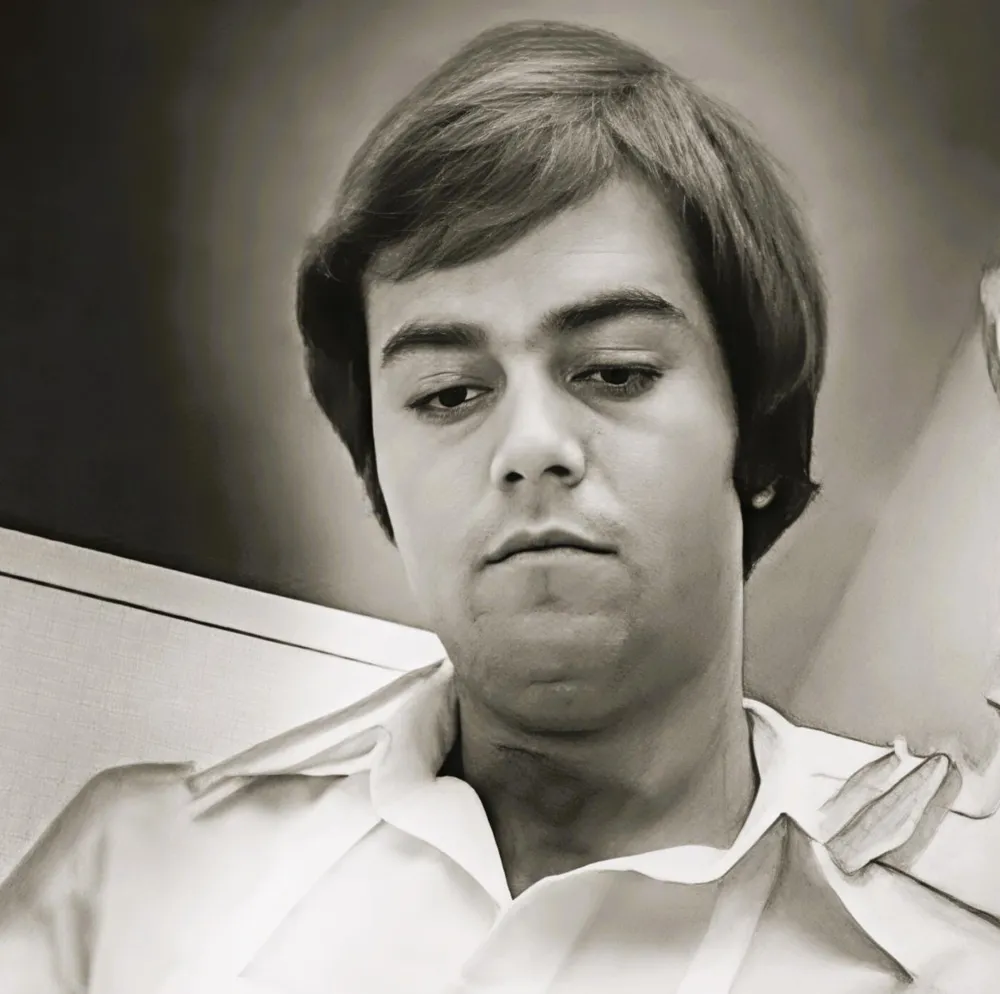
Jack Boden, owner
Jack Boden, the Gay owner and operator, had an extensive history in the bar and restaurant business. As early as age 14, he worked in his parents’ restaurant and went on to do likewise across the US.
In Key Biscayne in the late 1960s and early 1970s, he worked at the Jamaica Inn and the Key Biscayne Yacht Club, where he waited on the likes of President Nixon and Prince Hitachi (son of Japan's Emperor Hirohito). Nixon was so impressed with his skills that he made Jack his "diplomatic" waiter. For over a year, Jack cooked gourmet dishes, planned meals, and oversaw parties for the president in Washington DC, at Camp David, and aboard Air Force One.
Later, in New Orleans, he owned The Salad Shop, a well-liked restaurant on Magazine Street. In 2017, the Times-Picayune listed it as one of New Orleans’ long-gone favorite restaurants.
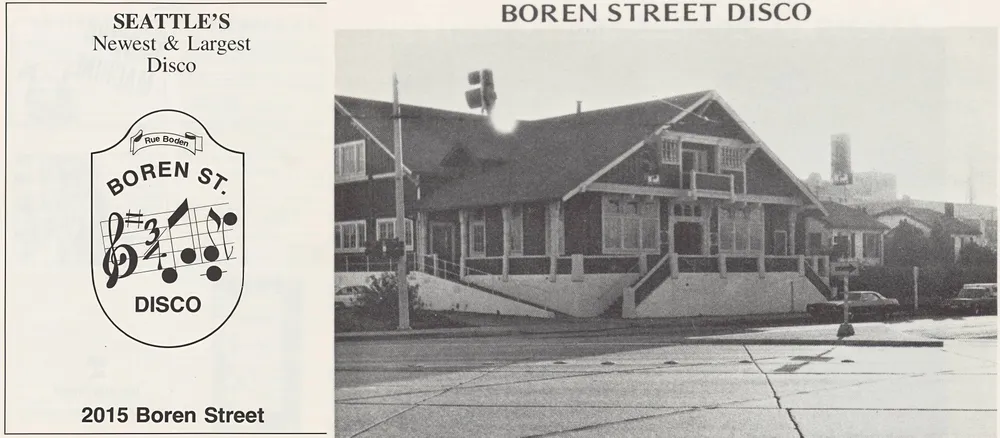
Boren Street Disco
Returning to Seattle, in 1976 Jack opened The Boren Street Disco (1976–85), which was in the old Sons of Norway Hall. The Boren Street is often remembered as Seattle's best Gay disco, since the space was double height, with an extensive balcony on three sides of the hall, a spacious dance floor, great sound and lights, and a raised fireplace lounge. It displaced Shelly’s Leg as the Gay disco hot spot. It had no restaurant, so due to liquor laws, it could only serve beer and wine.
It closed in 1985, but the location later housed City Beat (1985–88) and then the much-loved Timberline (1987–2004). It is now owned by Cornish College/Seattle University and is named the Raisbeck Performance Hall.

Foxes Restaurant and Lounge
In 1979, Jack opened Foxes Restaurant and Lounge (1979–85) in order to have a Gay liquor bar, which, due to WSLCB regulations, required a restaurant.
One of the motivating factors for Jack to take over the Terry Avenue Freight House (a straight complex that had opened in 1974) and turn it Gay might have been to open a gay dance club that could serve hard liquor.
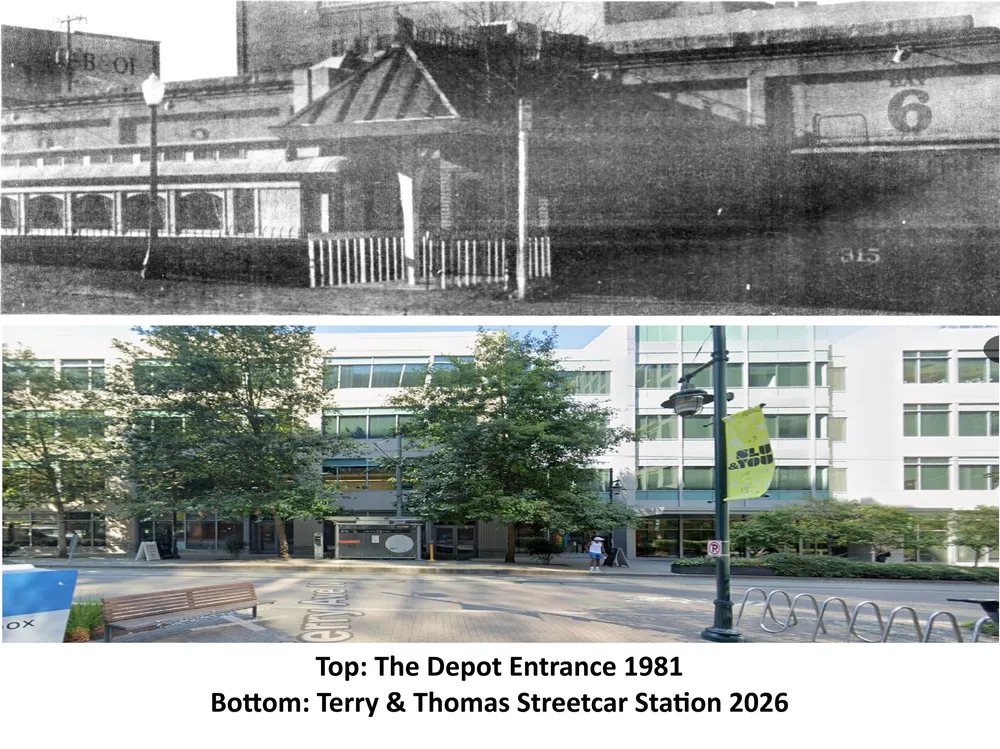
Closing of The Depot
With its size, cabaret lineups, and restaurant, The Depot proved expensive to operate. At least one of the cabaret acts, Pure Trash, was never paid; all the checks bounced. As a result, when a member of Pure Trash saw Jack in a popular San Francisco Castro Street bar, he dumped a glass of beer over Jack's head.
After leaving Seattle in the mid-1980s, Boden worked in Miami, Key Largo, and Hollywood, Florida. Although it was rumored in Seattle that he had been murdered, according to his Miami Herald obituary, he died in 1996 at 45 from bone and lung cancer.
The Depot closed in 1985 after two short years. It was a great complex, and patrons remembering many fun times. Seattle has never seen such an entertainment complex for the Gay community before or since.
Steve Nyman and Nathan Benedict are the founders of Come Out Seattle. They also founded, owned, and operated Thumper’s Restaurant and Bar from 1985 to 2006. For more information about and a detailed map of Seattle’s historical Queer bars, taverns, restaurants, and safe spaces, go to www.comeoutseattle.org. Come Out Seattle is also on Facebook and Instagram.
Support the Seattle Gay News: Celebrate 52 Years with Us!
As the third-oldest LGBTQIA+ newspaper in the United States, the Seattle Gay News (SGN) has been a vital independent source of news and entertainment for Seattle and the Pacific Northwest since 1974.
As we soon enter into our 52nd year, we need your support to continue our mission.
A monthly contribution will ensure that SGN remains a beacon of truth and a virtual gathering place for community dialogue.
Help us keep printing and providing a platform for LGBTQIA+ voices.
How you can donate!
Using this link: givebutter.com/6lZnDB
Text “SGN” to 53-555
Or Scan the QR code below!